This is the first of two blogs by UoP second-year history student Gabriel Lawless, reflecting on the 50th anniversary of the reunification of Vietnam. This blog, drawing on oral histories, poetry, and political writing, explores how African-American voices interpreted and responded to the My Lai Massacre and the Fall of Saigon not as isolated incidents, but as part of a wider, politically entrenched pattern of violence. The exposure of the My Lai Massacre in 1969 to the civilian masses marked a decisive turning point in public perception of the Vietnam War. Reports that American soldiers had supposedly killed hundreds of Vietnamese civilians came as a shock to those in the […]
Tag Archives | military history
The man who fortified Portsmouth: uncovering the work of Sir Bernard De Gomme
Portsmouth was strategically important in the seventeenth century, but relatively little has been written on it. For their second-year Working with the Past project a group of UoP history students tried to discover more about three key Portsmouth figures from this time. In this first post in a series, Callum Ireland writes about the Dutch engineer who rebuilt the fortifications which shaped the Portsmouth seafront today. Portsmouth, the maritime capital of England. We all know at least one fact about the deep and rich naval history of this island off the South coast, whether it’s the mighty Mary Rose and its short tenure under Henry VIII or the long and […]
How white South Africa obstructed the decolonisation of Southern Africa during the Cold War
This is our second piece by second-year UoP history student Elliott Thomas, who has come a long way since I taught him in his first year at Portsmouth. As you might guess from his choice of topics, Elliott has his sights set on a career in the foreign office! On 4 May 1978, at the refugee camp of Cassinga, in Southern Angola, Namibian refugees ran out to greet the planes they thought were sending supplies gathered by Sam Nujoma (the president of the Southwest Africa People’s Organisation, SWAPO).[1] Instead of supplies however, they were greeted by an astronomical amount of explosive ordinance, delivered by the South African Airforce, a total […]
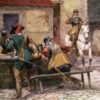
Too close for comfort: the relationship between the Church and the military during the Interregnum
UoP Senior Lecturer in history Dr Fiona McCall had the following post published today on the website of the Ecclesiastical History Society, in which she discusses the extraordinary role of the military in Interregnum religious life.
Tombfinders: Working with the Napoleonic past
As part of the Working with the Past Module, four second year undergraduates from the University of Portsmouth’s BA History program (Izzy Turtle, Emily Harris, Damiana Kun and Rebekah Money) have been working with the Napoleonic & Revolutionary War Graves Charity (NRWGC) on a dedicated project to locate Napoleonic era veterans, locating and assessing their graves, and working to restore them. Founded in 2021, the NRWGC (UK Registered Charity No 1196849) was founded by Zach White to honour the memory of veterans of all nationalities who served between 1775 and 1815. The charity does this by locating veteran’s long forgotten graves, cleaning and restoring them where appropriate, and reburying disinterred […]
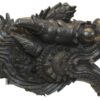
The Dragon Gun: secrets of a local South-East Asian treasure
On 29 November 2023 we were pleased to welcome Thomas Davies, Assistant Curator of Artillery at the Royal Armouries: Fort Nelson, to the University of Portsmouth as part of our History Research Group Seminar series. Thomas presented his paper on the Dragon Gun, the iconic cannon housed at Royal Armouries: Fort Nelson on Portsdown Hill. The Dragon Gun was captured in Myanmar by the British Army in the 19th century and presented to the Prince of Wales. Today it can be viewed in Fort Nelson’s Art of Artillery gallery. The gun dates to the 18th century, is only one of four in the world, and has always been believed to […]