This is a question that we are increasingly being asked by prospective students (and their parents!) at open days. It is certainly a valid question when AI seems to be making all sorts of people question how and why we do certain things. But it is based on a misunderstanding, or partial understanding, of what historians do and what history students are being trained to do.
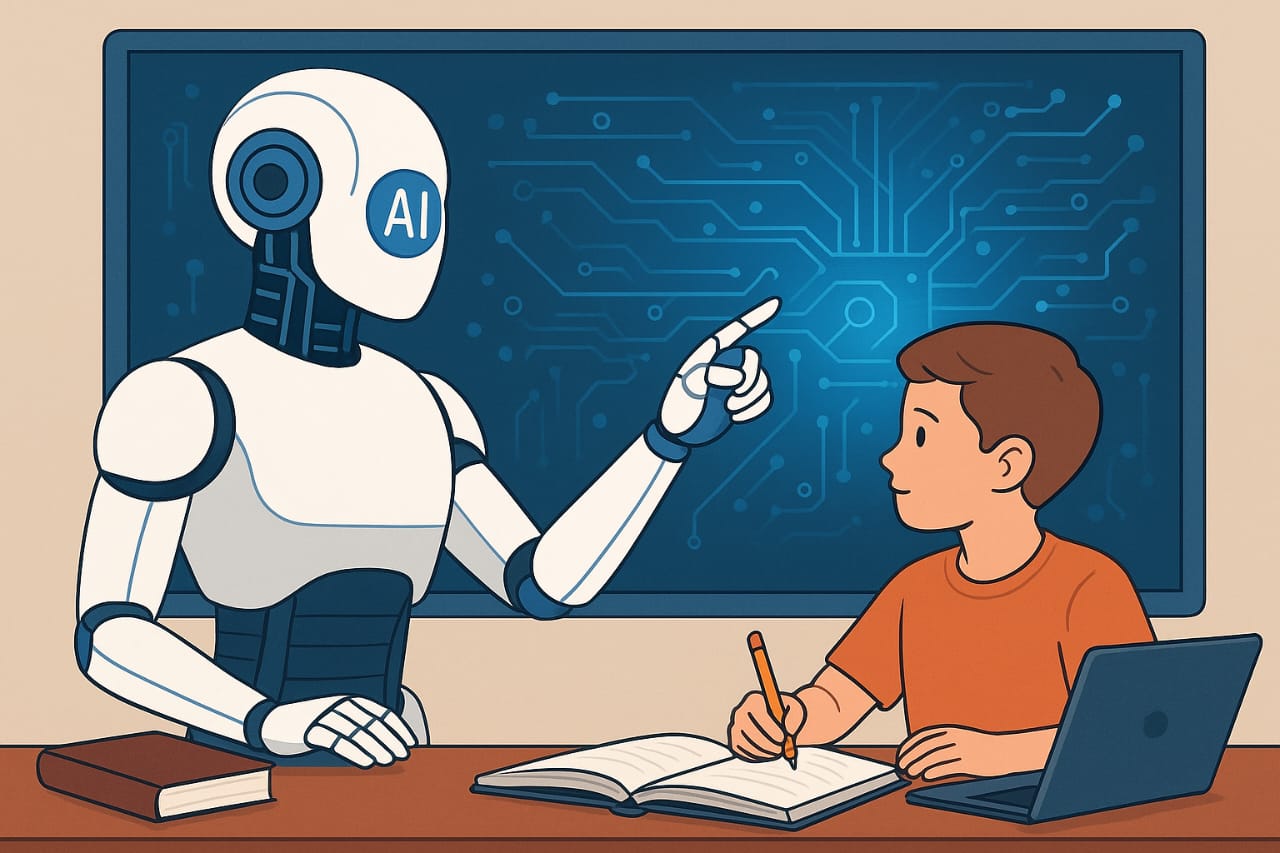
Illustration by Rahma Abdelrahman, Wikimedia Commons
1. AI can tell us WHAT happened but not WHY (or, importantly, why it matters)
History is not about knowing when the Crimean War happened, or who was Prime Minister in 1957. Although knowing these types of ‘facts’ is certainly useful, this is the sort of information that anyone can look up in books, or more likely, online. It has been the case for many years that this sort of information has been readily available in Wikipedia. Every historian I know (myself included) has used Wikipedia to double check this sort of information (was the Cuban missile crisis in October or November 1962?). But the existence of all of this information – these ‘facts’ about the past – have not made historians redundant.
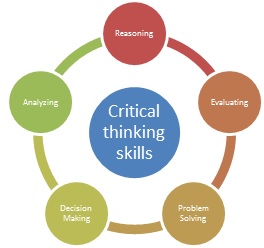
Image by Kelly Lawless, Wikimedia Commons
Because knowing these details is not what history is about. We are not writing lists of ‘things that happened’, but putting together these things to examine WHY they happened and, more tricky still, why they happened in this particular way. Why did a political leader make this particular decision? What were the circumstances that made that the best possible option? Or why did people living through a particular period of time behave in the way that they did?
And, importantly, how did this wide range of human decisions, actions, and behaviours, create the world that we live in?
2. AI will tell you whatever you want to believe
Large Language Models (LLMs) like ChatGPT are designed to use their vast databases of writing to predict what would be the most likely answer to your question. They are NOT designed to question the prompt you have given them, or to tell you that you’ve asked the wrong question.
Historians are notorious for responding to a question by critiquing the question. One of the key skills that historians are taught to develop is their critical thinking. This applies not just to interpreting the past, but also to the way that history is used and understood in the present. We train undergraduates to engage critically with the questions that they ask. To pose useful, interesting, and meaningful questions. To ask questions that can be answered with available material to provide insight into the past.
In order to be able to ask these type of questions you need a certain amount of knowledge and understanding.
Historians are constantly critiquing and changing the question.
3. AI uses existing data and information – this information is not ‘neutral’ or complete
Discussions of AI often talk about the ‘vast corpus of human knowledge’ that LLMs draw on. While this is true, this ‘vast corpus’ is in no way ALL of human knowledge. There have been drives in the last two decades or so to digitise a lot of historic material, but digitising archives is far from complete and has not been done in a systematic and neutral way. The high cost of digitisation – in equipment, human labour and storage – has meant that decisions have been made about what to digitise and what not to (or at least, in what order to digitise things). Decisions about what is most important, valuable or necessary are based on lots of factors. All of these decisions together have not resulted in digitised historical archives that accurately and neutrally represent the views of all humans in the past. Archives themselves don’t contain everyone’s views or perspectives – it has been estimated that only 2% of material created by humans makes it into archives.
Only 2% of material created by humans has been archived, let alone digitised.
So, for lots of reasons the ‘vast human knowledge’ of the past that LLMs rely on is incomplete and over-represents the points of view of some people while others are almost entirely absent.
It is also important to recognise that none of the online systems that we use – from google, to Wikipedia, to all social media platforms – are neutral. They all use algorithms to sift information and present what they think is the best result (the one we most likely want to see). This is generally a good thing – when searching for a hairdresser I do want to see the ones close to me, not the ones in Timbuktu – but it is crucial that we all understand how his can impact on the information that we see.
4. History is also about finding new voices and points of view
Historians are constantly involved in re-thinking, re-evaluating and re-examining the past. We are always looking for new perspectives, new ways of understanding and
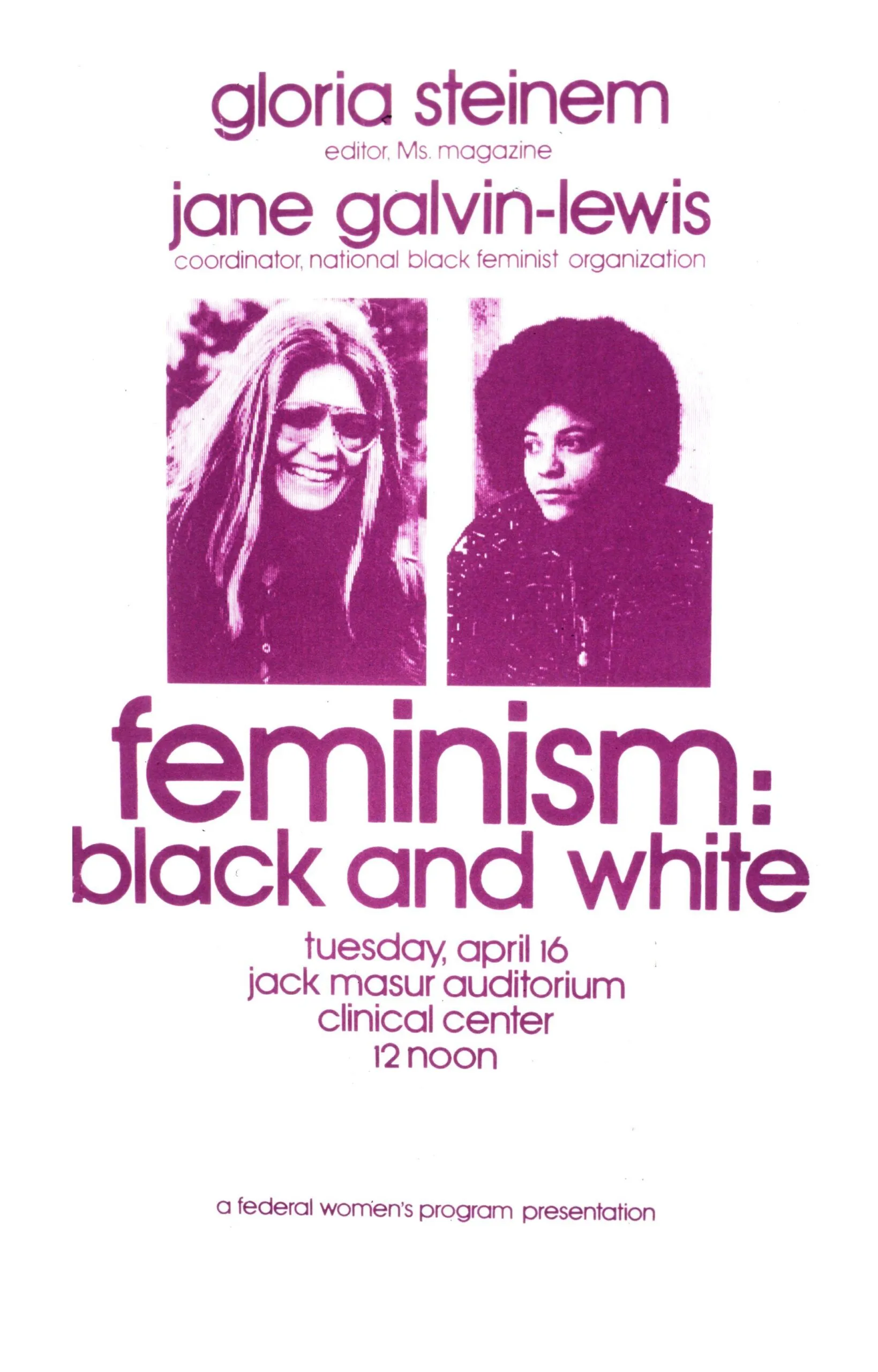
Rebekah Stistig’s 2024 dissertation looked at the different experiences of black and white women within the US feminist movement.
new ways of thinking about the people and events in the past. History is, therefore, both a rigorous and a creative activity. As the American Historical Association says, ‘history is both a science and an art’. While AI systems rely on pattern-recognition, historians realise that human activity rarely follows recognisable patterns. Humans are complex and often unpredictable.
It is also the case that in the past (and to a certain extent the present), the points of view of certain people were seen as more valuable or more important than others. Many historians work to uncover or recover the voices, perspectives and experiences of those people who have not always been included. AI models drawing exclusively on what is already known will never be able to do this vital historical work.
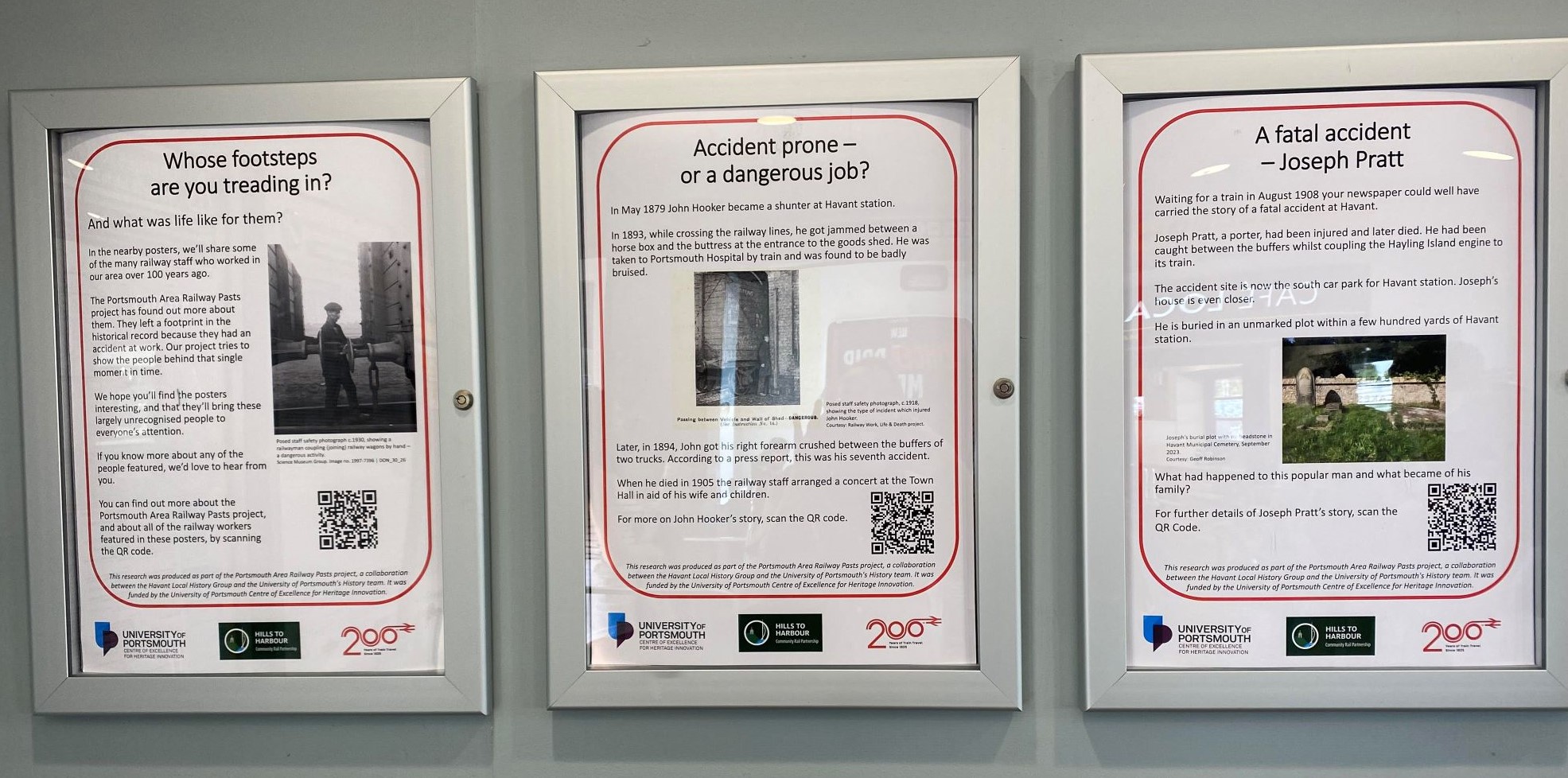
UoP history lecturer Mike Esbester’s research looks at the life experiences of 19th century railway workers
5. History is about grappling with uncertainty and contradiction
AI systems, like all aspects of computing, like certainty. They are systems based on binary logic. Either/or, black/white, on/off, right/wrong. But the human experience – in the present and the past – is rarely so simple. Historians are trained to recognise and understand contradictions and to grapple with the uncertainty that contradictions create. Sometimes we do this by being very specific – so, for example, you can say certain things about the ‘sexual revolution’ of the 1960s that are true for white, middle-class women in London that were not necessarily true for other women outside the capital. We also recognise that two competing things can both be true at the same time. Individuals can, and often do, hold contradictory views. Societies, nations, states and empires, contain multiple views, attitudes, beliefs and practices at any given time which are contradictory. Historians are trained to recognise, understand and make sense of these contradictions. To know that there is rarely one answer to any given question about the past, but that there are better and worse answers. To be able to evaluate and assess these answers, to examine the evidence they’ve drawn from and the way that this material has been analysed. To understand that we may never know the full answer to a question, but that it is in the process of trying that we learn about who we are, who we were and why it matters.
No comments yet.