By Magdalena Djaković
From the ocean side of the ramparts of Southsea Castle, one quickly comes to realize just how dependent the site was upon visibility. Although the current views towards the Isle of Wight appear to be tranquil, in the past, the area would have been filled with anticipation and control. This can be seen in Figure 1, the wide, uninterrupted view toward Isle of Wight demonstrates the strategic advantage of this position. From here, defenders would have been able to monitor approaching ships long before they reached Portsmouth Harbour, giving valuable time to prepare artillery and coordinate a response.
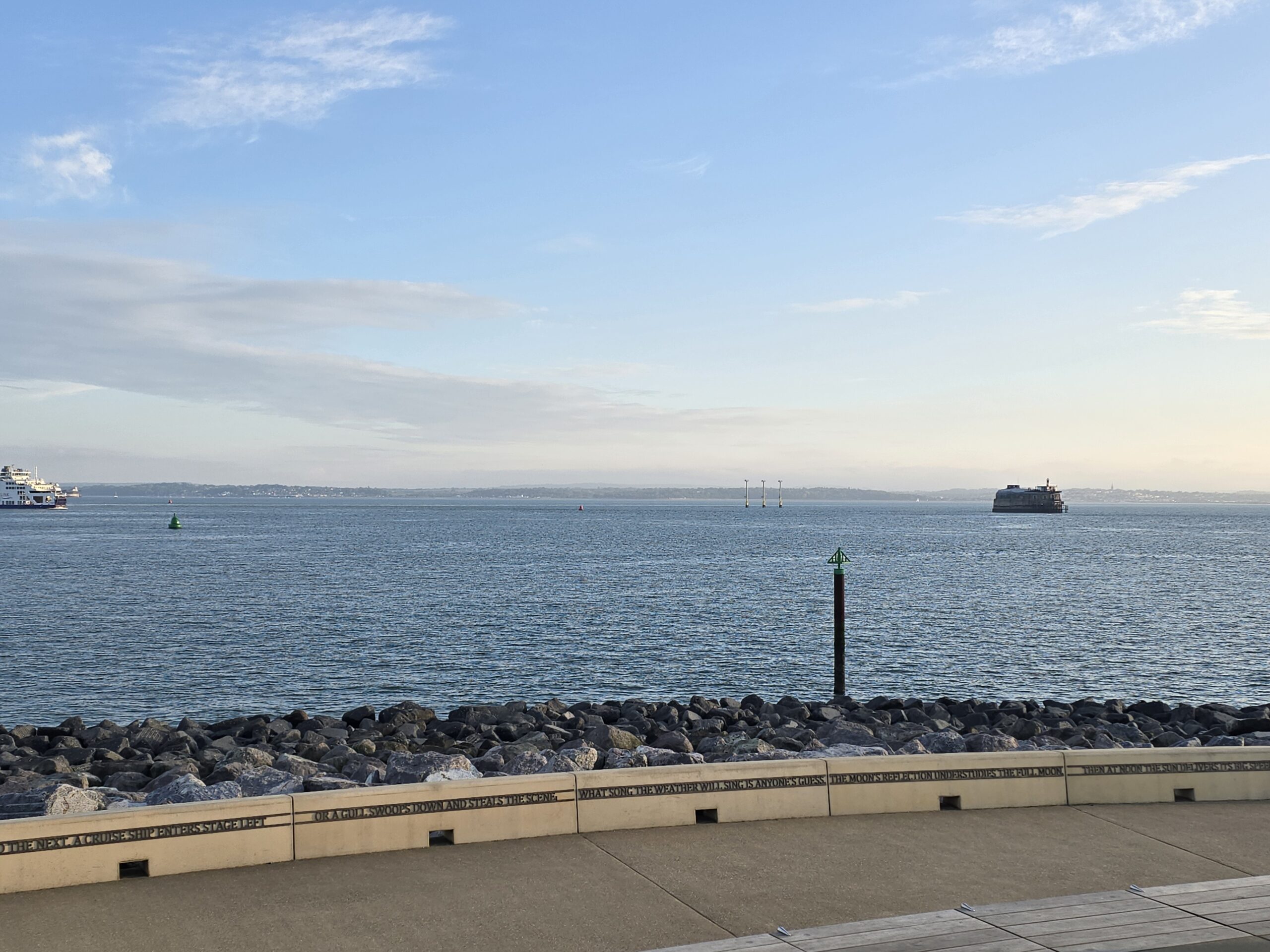
Figure 1: View from Southsea seafront across the Solent towards the Isle of Wight, with Spitbank Fort visible, demonstrating the strategic visibility of the coastline
The castle itself was built in 1544 as part of Henry VIII’s coastal defence programme, designed specifically to counter the increasing threat of invasion from continental powers. The ramparts formed a crucial part of this system, acting as both viewing platforms and a base for artillery. Rather than relying on height like earlier medieval castle, the structure reflects a shift towards gunpowder warfare, where visibility, positioning, and firepower were far more important than vertical defence. [1] In this sense, the ramparts were not just defensive walls, but carefully designed working space that allowed soldiers to observe and respond threats as they develop.
One of the most famous occurrences associated with this coastline is the wrecking of the Mary Rose in 1545. The ship was the key warship of King Henry VIII that sank while battling the French fleet in Solent right off the coast of the Southsea Castle. There is no doubt that this historic event took place before his very eyes when he was in this fortification on its ramparts. Standing on the ramparts helps to see this historic event through different eyes not only as a historic episode, but also as something sudden and disastrous that has occurred right here in front of you.
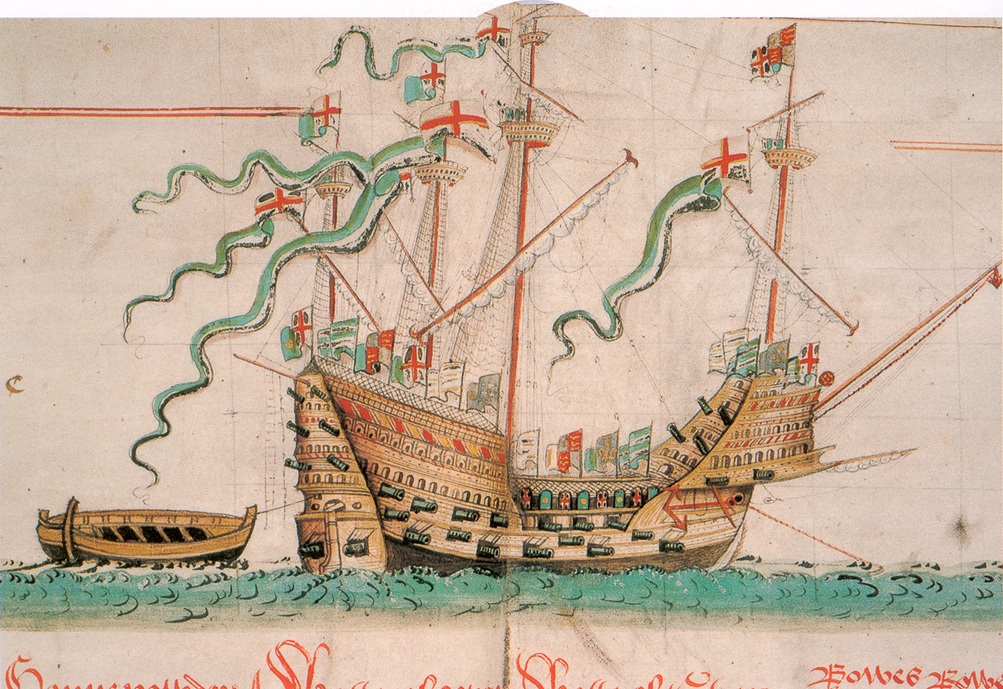
Illustration of the Mary Rose by Anthony Anthony, c. 1546
The exact cause of the sinking remains debated, although historians commonly suggests that combination of strong wind and open gunports caused the ship to take water and capsize. [2] Whatever the real cause might be, the incident demonstrates some dangers inherent in naval warfare during the early modern era and the vulnerabilities of even the most technologically advanced ships of that time period. From the perspective of the ramparts, this moment reinforces the importance of maintaining strong coastal defences, as the loss of a flagship would have been both strategically and symbolically significant.
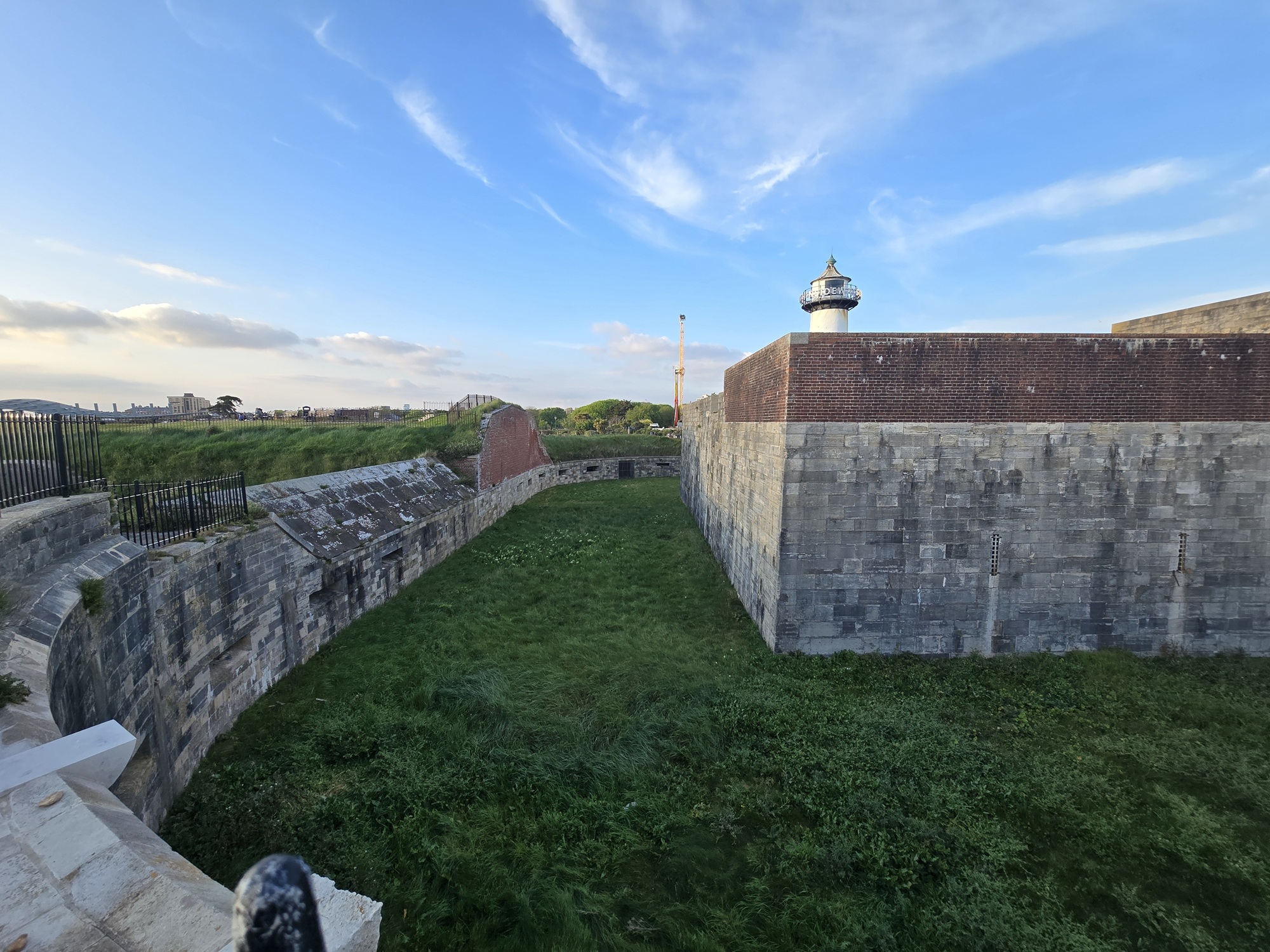
Figure 2: Southsea Castle ramparts and defensive walls, showing the low-profile artillery-based design typical of Tudor coastal fortifications
The physical structure of the ramparts further reflects these defensive priorities. As shown in Figure 2, the walls are low and thick, designed to absorb and support artillery fire rather than resist traditional siege tactics. This design marks a clear transition from medieval fortification to early modern military architecture. Cannons positioned along these ramparts would have created a line of defence capable of targeting enemy ships approaching the harbour. The layout of the space suggests that efficiency and practicality were key considerations.
In any case, the efficiency of such a defense system not only depended upon the way that the architecture was designed, but even more importantly, upon human management. Cannons were far from simplistic implements, there was need for cooperation, preparation, and skillful management. The gunpowder needed to be loaded in precise amounts, the cannons needed to be loaded properly, and each shot needed to be timed well. After firing, the recoil would force the cannon backwards, meaning it has to be repositioned before it could be used again. [3] In this respect, there was a need for cooperation and discipline, especially when in combat.
The function of the ramparts would come to have taken on a different meaning by the time the twentieth century came around. When the Second World War took place, the city still celebrated its status as an important naval station. However, the greatest danger that the city faced no longer came from the water but rather from the sky. As a result, Southsea Castle was adapted to meet these new defensive demands. In order to cope with the new threat, anti-aircraft guns were placed on the ramparts for use against bombers in the Blitz. [4]
This is a massive change from the way the site was previously utilized. The emphasis on only being aware of what was happening on the horizon no longer held any relevance; instead, the defenders needed to be alert to threats from above. Regardless of the changes in the nature of the site, however, one thing did remain constant, which was the function of the ramparts to defend Portsmouth and its harbour. [5]
In today’s day and age, however, the role of the fortifications has been replaced and yet the strategic significance of the area can still be found in the landscape around it. As is shown in Figure 3 below, one can see that new structures have appeared on the horizon, such as the Spinnaker Tower, along with the old coastline. This change shows how Portsmouth has become much more than just a naval fortress.
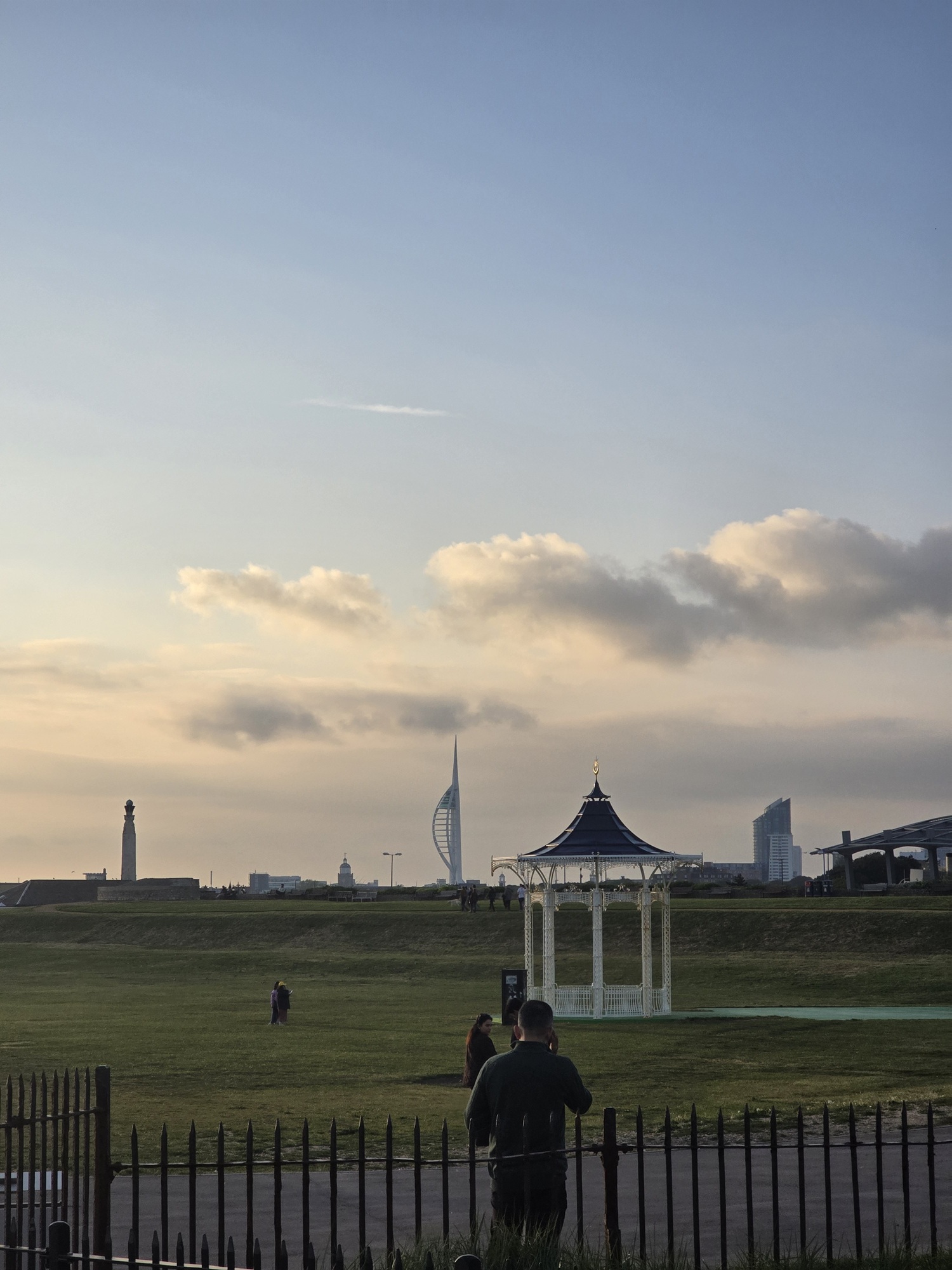
Figure 3: View towards Portsmouth, including the Spinnaker Tower and surrounding landscape, illustrating the modern maritime setting and continuity of the site
On the other hand, structures like Spitbank Fort (shown in Figure 1) illustrate the expansion of the concept of coastal defence from merely the castle itself during later eras. Such structures represent a wider system of defence that extends protection farther into the Solent. One can now better appreciate how various stages of military history exist together in the same setting through observation from the castle’s walls.
Another aspect of Southsea Castle is the geographic factors that contributed to the military decisions made. The Solent presented both a barrier and a key sea passage for ships, and thus it became an essential zone to defend.
Overall, the ocean-side ramparts provide a valuable perspective on both the history and function of Southsea Castle. Firstly, they show that this fortress was meant to be visible, defensive and adaptive. Secondly, it highlights its connection to the identity of Portsmouth as well. Instead of considering the ramparts as a static building, they should be viewed as a space which has always been changing and evolving through time.
This particular section of the castle is a prime example of how this relationship exists. In addition to being a spot to witness history, it allows visitors to interpret it in the context of the surrounding environment. Therefore, the ramparts play a critical role in studying the history of the fortress.
References
[1] Arthur Corney, Southsea Castle (Portsmouth: Portsmouth City Council, 1968).
[2] Peter Marsden, Sealed by Time: The Loss and Recovery of the Mary Rose (Portsmouth: The Mary Rose Trust, 2003), 45.
[3] Mike Osborne, Defending Hampshire: From the Tudors to the Cold War (Stroud: The History Press, 2011), 33.
[4] David Childs, Britain Since 1939: Progress and Decline (London: Palgrave Macmillan, 2012), 78.
[5] Osborne, Defending Hampshire, 112.
Further reading
Peter Brown. Maritime Portsmouth. Stroud: The History Press, 2016.
Historic England. “Artillery Defences: Introduction to Heritage Assets.”
Mary Rose Trust. “The Mary Rose.”
No comments yet.