For their first year module, Beliefs, Communities and Conflicts, 1400-1750, UoP history students are asked to do a practical activity and then write a report about it, reflecting reflecting critically about how it relates to the themes explored in the module. This, the first of two posts, looks at what students learned from trying to reconstruct early modern cosmetics. The tutors on this module were Dr Maria Cannon and Dr Fiona McCall.
Rosie Wells chose to adapt the recipe for Rose Lip Balm from Italian doctor Giovanni Marinelli’s Gli ornamenti delle donne (The Ornament of Ladies) (1562) a manual on female beauty containing recipes at first purporting to be taken from the writings of a Greek Queen, although later editions cite Greek, Arab, & Latin physicians as his sources. The book went through several editions and was translated into French and German.
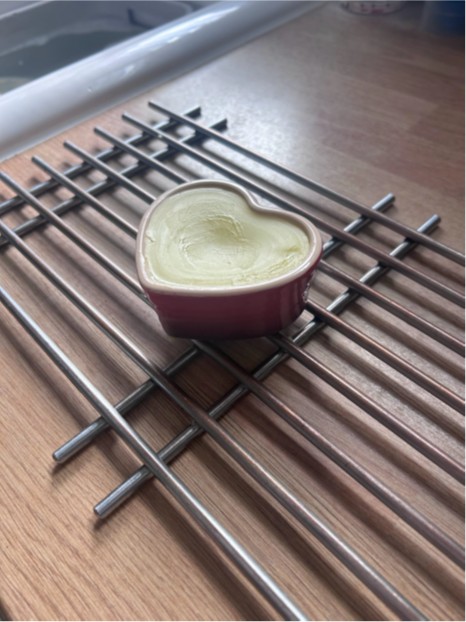
Rosie’s recipe used ingredients including beeswax and rose petals. She found the balm left a noticeable hydrating feeling, leaving her lips smooth and soft with a subtle rose scent. During the early modern era, women would use colourless products like this to accentuate their features to appear vigorous and bright without layering heavy makeup on.
 Femininity was important to women’s identities during sixteenth and seventeenth centuries, and many recipes were designed to produce a softer and more delicate appearance. “Their beauty promising good health, good fortune and good character.” [1] Soft, hydrated lips suggested youthfulness, making the wearer appear healthy and the lips more plump. This would be important to seventeenth-century women because it would suggest that women were more desirable and of the right age to start a family. Henrietta Maria, the queen of England, Ireland and Scotland, was known for this, “her own body a fruitful garden”, eventually giving birth to nine children.[2]
Texture and complexion were very important in the early modern era, the ideal “white and red palette of the lily and the rose were intrinsic to longstanding ideals of facial colouring.”[3] The recipe for the lip balm would hydrate the lips and enhance their natural pigmentation of a red tint, making them look “smooth and shiny,” suggesting health inside the body and mind. [4] These beauty principles would “help to achieve ‘good colour’ without the application of pigment.”[5] This reinforces the idea that beauty standards in the 17th century focused on a delicate regime that enhanced youthfulness and the texture of the skin to hide blemishes and marks from illnesses.
Makeup in the seventeenth century also carried significant political weight. Women used their femininity to be seen: the more desirable they were the more they were noticed in social settings. It is suggested that “one’s complexion was also understood to reflect what we would today call ‘class’ or ‘status’.” Using products to style their face and hair “forced men to acknowledge them as living beings and not just passive sights.”[6] Reputation was highly significant during the seventeenth century, being respected by not only other women of similar status but also being acknowledged by men elevated their position in society. Seventeenth-century women lacked equal rights with men and needed a reason to take part in male-centered conversations. Accentuating their features through makeup was one of the primary ways to attract male attention to women’s roles in social settings. Time and money were both vital, “the poor, on the other hand, could hardly appear beautiful by the early modern standards of fashion and presentation.”[7] This suggests how makeup and beauty were closely linked to early modern status.
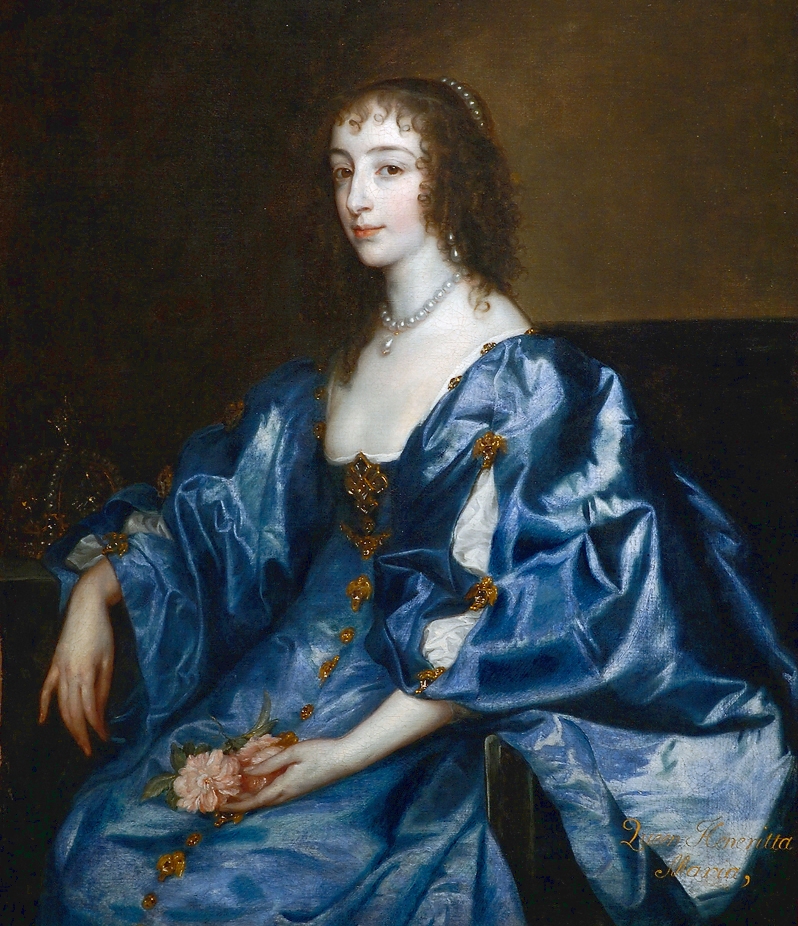
Portrait of Queen Henrietta Maria, from the workshop of Anthony Van Dyke, San Diego Museum of Art.
Caterina Sforza’s Very Light and Most excellent Rouge was the recipe chosen by Nina O’Neill
Caterina Sforza (1463–1509), the illegitimate daughter of Duke Galeazzo Sforza of Milan, later Countess of Forlì and Imola, became known as the ‘Tigress of Forli’ because of her intelligence, beauty and strength. She compiled over 400 recipes in her manuscript Gli Experimenti, which combined beauty and medicinal recipes with alchemy, including recipes for poisons and their antidotes, the philosopher’s stone, and for restoring youth and restoring virginity (!)
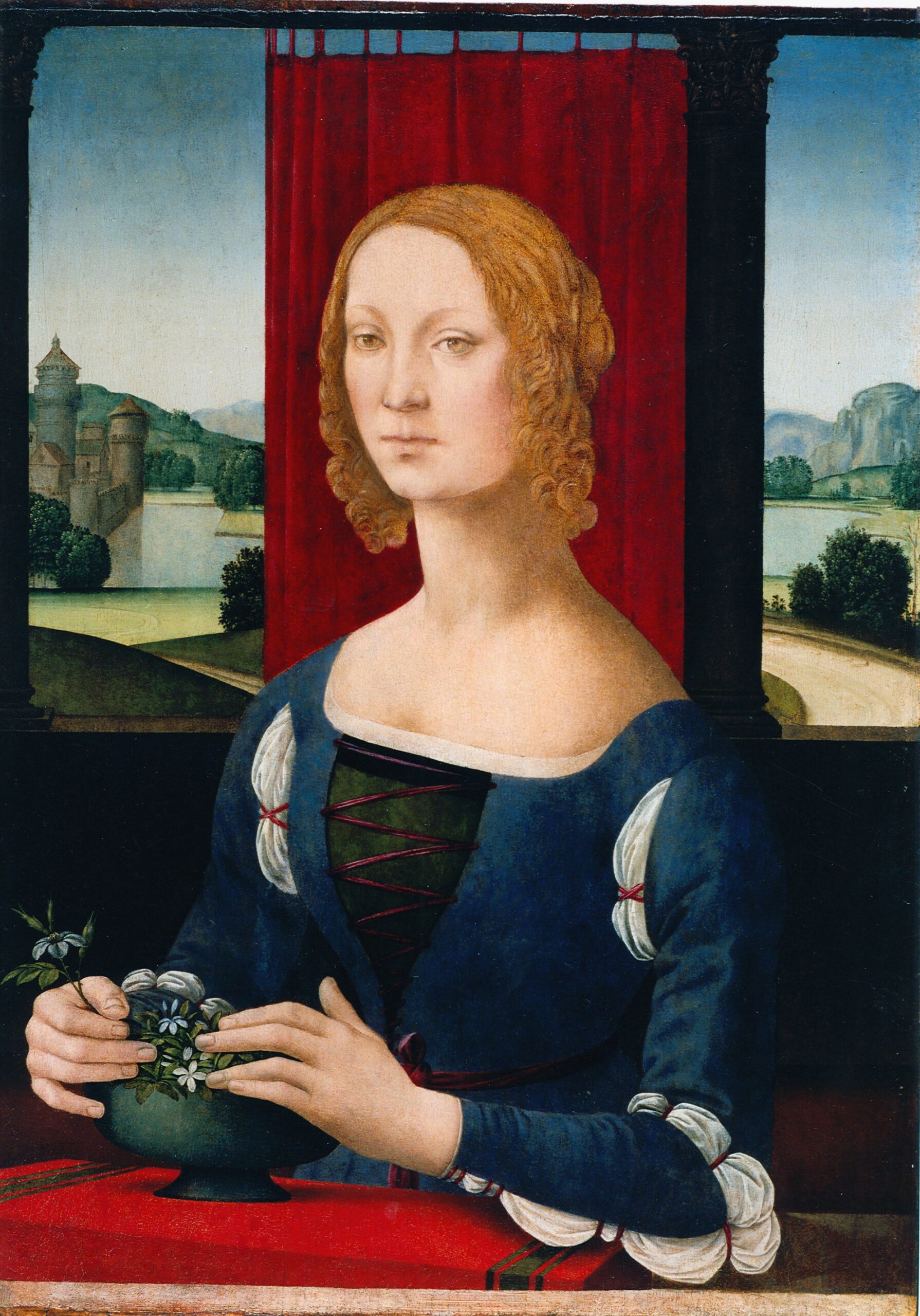
Portrait said to be of Caterina Sforza, Pinacoteca Civica, Forlì
Nina chose this recipe because throughout history rouge has remained a staple in beauty recipes because of its ability to enhance complexion, project vitality and exaggerate the paleness of skin, which was an ideal of beauty in early modern Europe as a show of purity.[8] As the Sforzas were a wealthy dynasty of renaissance Italy and cultural patrons it was a good opportunity to understand the methods and resources available to the nobility at that time.[9]
Pale skin had been regarded as the foundation for beauty throughout the early modern period and in various societies in Italy, France and England. Beauty recipes to achieve this, however, could be harmful and, in some cases, fatal, as women went to extreme lengths to achieve the standards of the day. An example of this is in the 16th century some women would use concoctions made of mercury to add colour to their cheeks and lips: this look of alabaster white skin and bright red lips and rosy cheeks was popularised by Elizabeth I in England. This was as a showcase of her purity as the ‘virgin queen’ as she has later become known.[10] For Elizabeth, how she chose to portray herself was imperative in a time when anxiety surrounding succession was rife and having previously suffered from smallpox, her face was left permanently scarred. [11] To combat this, she wore lead-based products and egg whites to tighten her skin and give the appearance of smoothness: during her reign the only sanctioned portraits were those that concealed her imperfections.[12] This insistence upon public image when it came to her appearance underlines the importance of ‘beauty’ and its relation to health, or as in Elizabeth’s case, power, as a healthy queen meant a stable nation.
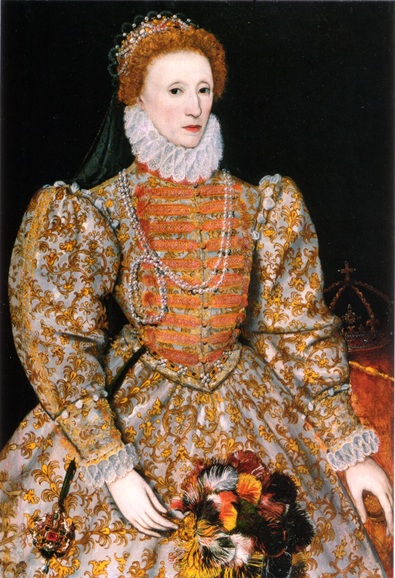
Elizabeth I, Darnley Portrait, 1575, National Portrait Gallery, NPG 2082
In Caterina Sforza’s recipe she describes how the rouge will give a “magical vivacity and gracefulness” showing how women were expected to be strong and healthy in body but passive and delicate in their outwardly nature. It seems contradictory beauty standards for women have persisted for centuries even into modern day.
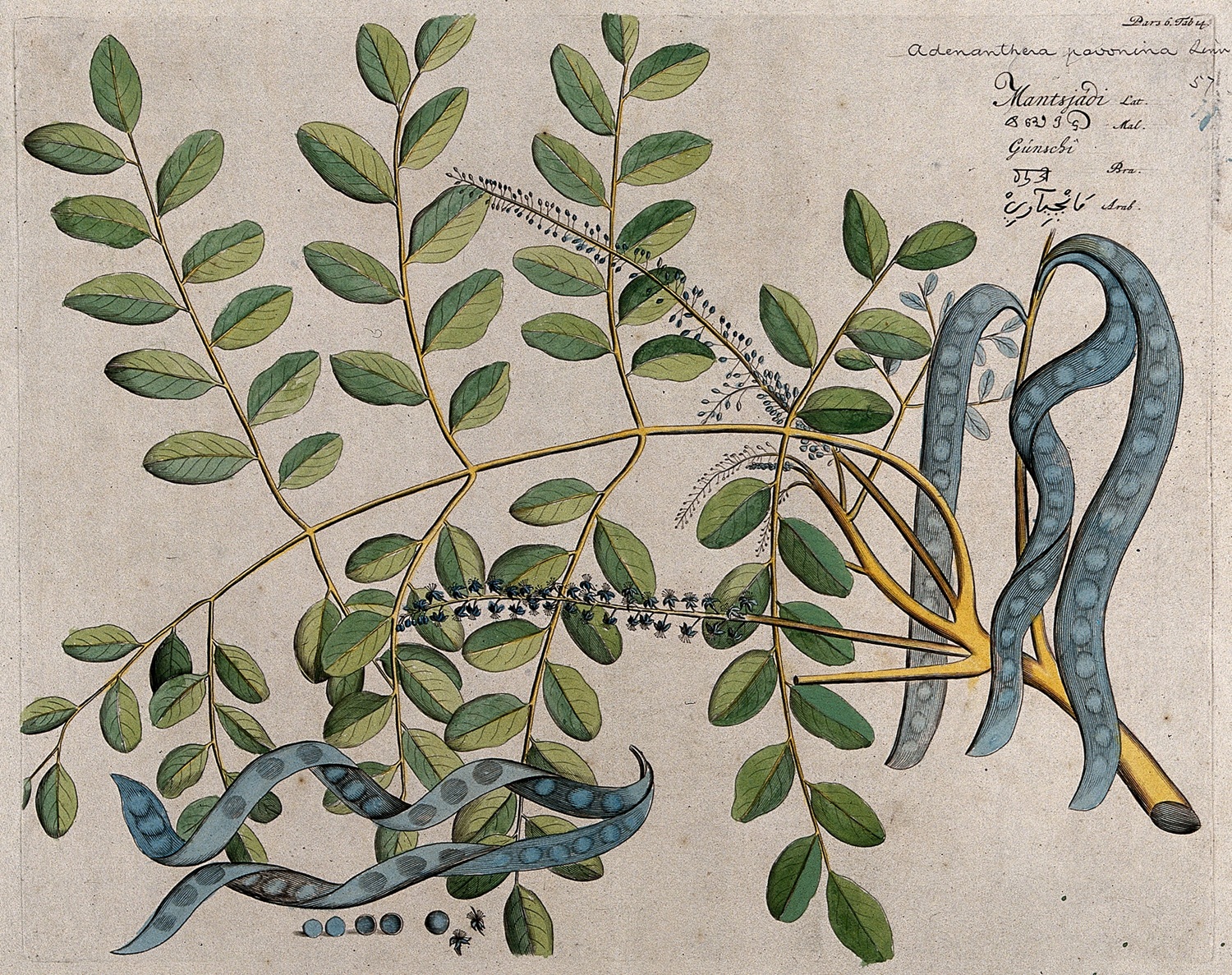
Drawing of a red sandalwood tree, 1686, Wellcome Collections
What was interesting about this recipe was not only its simplicity but its reliance on the sandalwood powder illuminating the importance of trade in the early modern period. Sandalwood originated from India and was brought to Europe along the silk roads. Traditionally it was used for its medicinal properties of cooling and calming irritated skin; it later became a prized possession for trade for its aromatic scent that could be used for both beautifying powders and perfumes. [13] Whilst specific details are unavailable, it has been noted that in 1518, 11,540kg of red sandalwood were recorded as exports on the Indian coast, this showing the huge demand for the product in Europe. [14] Because of its value, red sandalwood would have been the preserve of the wealthy within society which explains why a noble woman such as Caterina Sforza would have been able to access such a sought-after ingredient.[15] In the 16th century it would of cost 3 shillings per pound, the equivalent of 5 days wages for a skilled tradesman. [16]
The recreation of Caterina Sforza’s rouge illustrated how significant the role of trade was in beauty recipes and the prices that women were willing to pay to achieve the beauty standards set out for them. It also illuminated the importance of health and fertility as the centre of a woman’s beauty and how their outwardly appearance was intrinsically linked to their position and status within society.
Harry Matthews’s chosen recipe of tallow and tree gum anti-wrinkle cream also had some unusual ingredients, including 100g of mutton tallow, 1 egg white, 1 teaspoon of butter, 3g of mastic tears and 3g of frankincense tears crushed in a pestle and mortar, although these last two proved impossible to source and had to be left out.
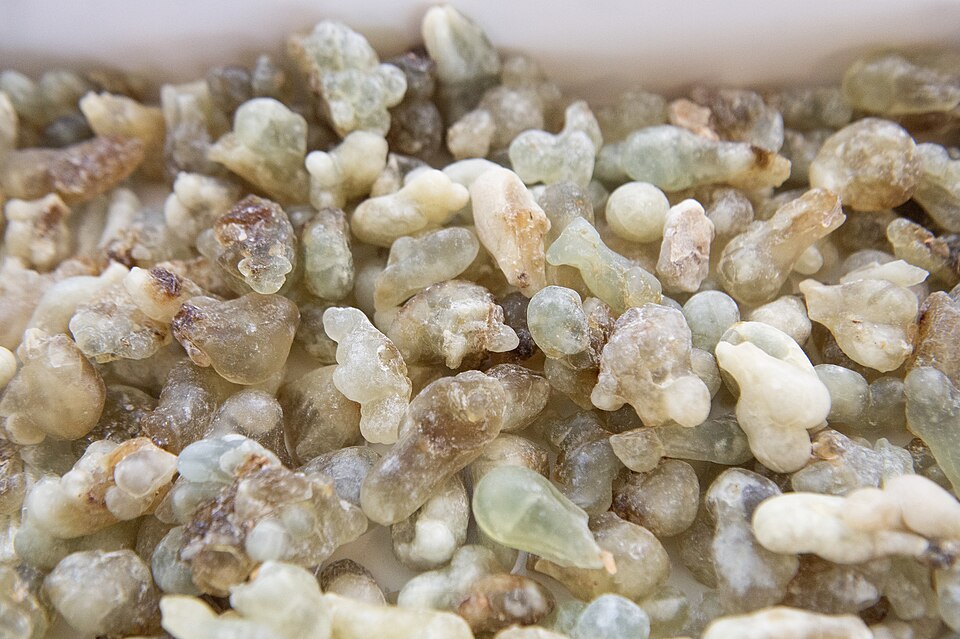
Frankincense is an aromatic resin harvested from the Boswellia tree, native to parts of the Middle East, Africa, and India – these samples came from Oman in 2023.
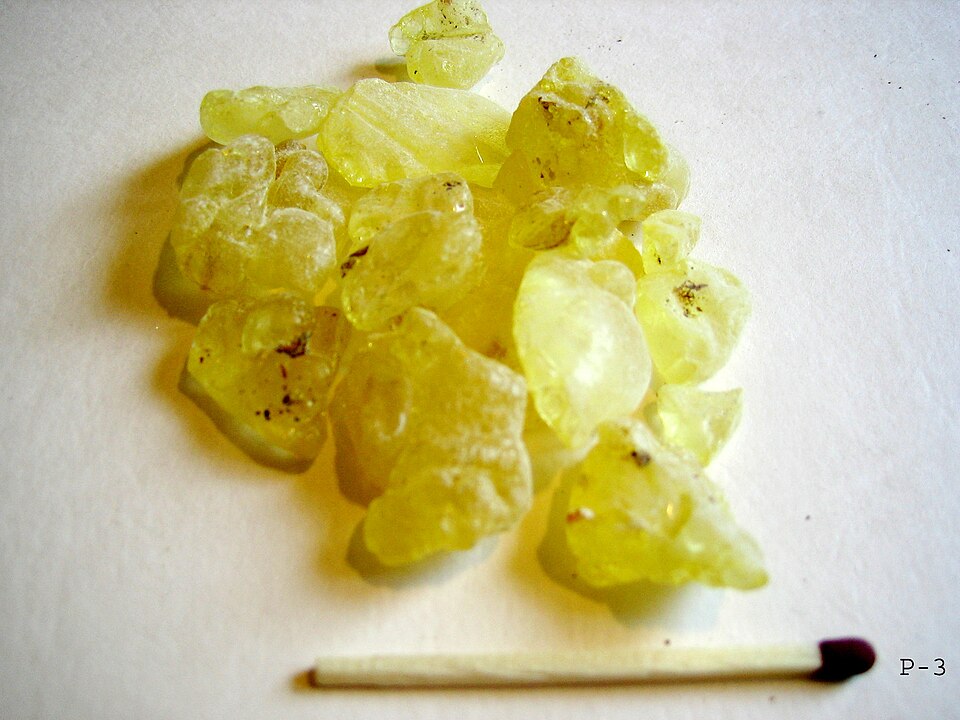
Mastic is a resin obtained from the mastic tree traditionally produced on the island of Chios, in “tears” or droplets.
These items were easier to access in the early modern period by more classes due to a growth in trade; mastic tears were imported from the Mediterranean and the changing and growth of the trade system allowed these products to be more accessible. According to Morag Martin, ‘sellers of cosmetics helped make available products at reasonable prices, sold in accessible locations, and appealed to a diverse consumer base.’[17] Additionally, as Pamela H. Smith states, ‘A flood of technical writing followed with the advent of printing in the 1460s, as recipe collections and technical treatises became some of the biggest bestsellers’.[18]
The process of making the cream involved scooping out 100g of the duck fat (a substitute for the tallow) into a small bowl, adding some water, and mashing it by hand to get the lumps out of the fat which took about 5 minutes although it left Harry’s kitchen in a bit of a mess. Whisked egg and cold butter were added and after 5 minutes resulted in a smooth cream.
There would have been a few reasons as to why women used this, one being marriage prospects. Reinke-Williams states ‘appearance was a factor used by men to evaluate potential wives, and that the loss of beauty might remove a rival from the marriage market’[19]. Women would do anything to be more appealing to a potential suitor and so if they had visible wrinkles they would want to get rid of these. Women wanted to seem fertile to men because ‘old women (and men) were deemed unsuitable for sexual intercourse because of their infertility and unattractiveness’. However, these ideas may be exaggerated as Reinke-Williams states that men weighed in the balance ‘both the physical attractiveness and financial resources of potential wives’ before making a recommendation, and so physical appearance might not have been as big of a factor as some historians say. [20]
There would have been a multitude of reasons why this cream would have been used but the main reason would be that women wanted to look their best for potential suitors or even for themselves. This idea hasn’t changed much in today’s society in which people seek out remedies to try and look younger, just the process and ingredients may be a bit different.
References
[1] Erin Griffey, ‘“The Rose and Lily Queen”: Henrietta Maria’s Fair Face and the Power of Beauty at the Stuart Court’, Renaissance Studies 35, no. 5 (April 2021): 811–36.
[2] Ibid.
[3] Ibid.
[4] Morag Martin, Selling Beauty : Cosmetics, Commerce, and French Society, 1750-1830, 1st ed., vol. 127 (Johns Hopkins University Press, 2009), 26-48.
[5] Griffey, “‘The Rose and Lily Queen’.
[6] Anu Korhonen, ‘To See and to Be Seen: Beauty in the Early Modern London Street’, Journal of Early Modern History, 1 January 2008, 336–360.
[7] Ibid.
[8] Griffey, “The Rose and Lily Queen’.
[9] “Sforza Family”, Britannica, Accessed March 8th 2026 https://www.britannica.com/place/Milan-Italy.
[10] “Elizabeth I: Fashion and Beauty”, Royal Museums Greenwich, Accessed March 11th 2026 https://www.rmg.co.uk/stories/royal-history/elizabeth-i-fashion-beauty.
[11] Erin Griffey, ‘“The Rose and Lily Queen”.
[12] Ibid.
[13] “The History of Sandalwood: From Ancient Rituals to Modern Use”, Sandalwood Heaven, Accessed March 11th 2026 https://sandlewoodheaven.com/the-history-of-sandalwood-from-ancient-rituals-to-modern-use/.
[14] “British Mercantile Trade Statistics, 1662-1809”, British Online Archives, Accessed March 9th 2026 https://britishonlinearchives.com/collections/129/contextual-essays/849/age-of-empires-british-overseas-trade-from-queen-elizabeth-i-to-king-george-iii.
[15] “Artists Materials in Sixteenth-Century England: Import and Retail Trade”, National Portrait Gallery, Accessed March 11th 2026 https://www.npg.org.uk/collections/research/programmes/making-art-in-tudor-britain/workshops/workshop-2-abstract-6.php.
[16] “Currency Converter: 1270-2017”, The National Archives, Accessed March 11th 2026 https://www.nationalarchives.gov.uk/currency/converter.
[17] Morag Martin, Selling Beauty: Cosmetics, Commerce, and French Society (Johns Hopkins University Press, 2009), 49-51.
[18] Pamela H. Smith, “Historians in the Laboratory: Reconstruction of Renaissance Art and Technology in the Making and Knowing Project,” Art History 39, no.2 (2016): 210-233
[19] Tim Reinke-Williams, “Physical Attractiveness and the Female Life-Cycle in Seventeenth-Century England,” Cultural and Social History 15, no.4 (2018): 469-485.
[20] Ibid.
No comments yet.